How to Choose the Perfect Wall Clock for Every Room?

You know that feeling when you walk into someone’s house and everything just… fits? The clock on their wall isn’t just there to tell time; it’s a part of the room. That’s the goal. At Prowaller, we’ve spent years not just selling clocks, but living with them in Pakistani homes—from the humid heat of Karachi to the cooler evenings in Islamabad. We’ve seen what works and what ends up gathering dust.
The biggest mistake we see? Picking a clock in isolation. You fall in love with a gorgeous, intricate design online, but when it arrives, it shouts down everything else in your drawing room. Or you get a delicate, silent one for the kitchen, and within months it’s foggy from steam. It’s not just about looks; it’s about life.
Let’s break it down room by room, the way we’d explain it to a customer visiting our shop.
The Drawing Room: Your Family’s Face
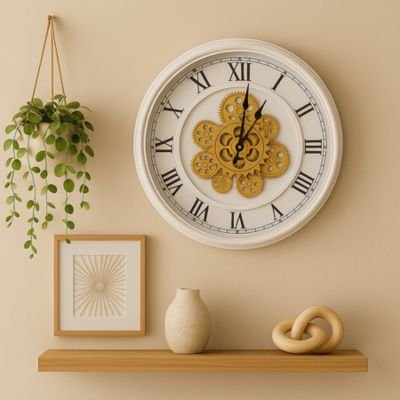
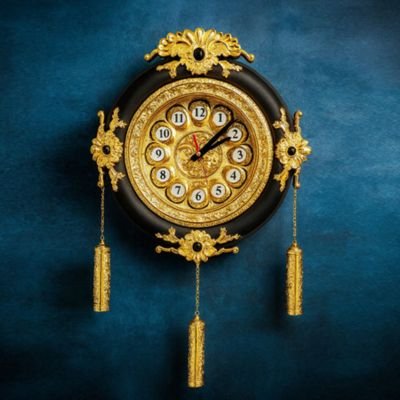
This is where you entertain. Your clock here isn’t just a timepiece; it’s a statement. It says something about your family. For a traditional baithak with heavy wood furniture, you need something with weight and presence. A large, wooden clock with classic Roman numerals—like our Heritage Oak model—can anchor the space beautifully.
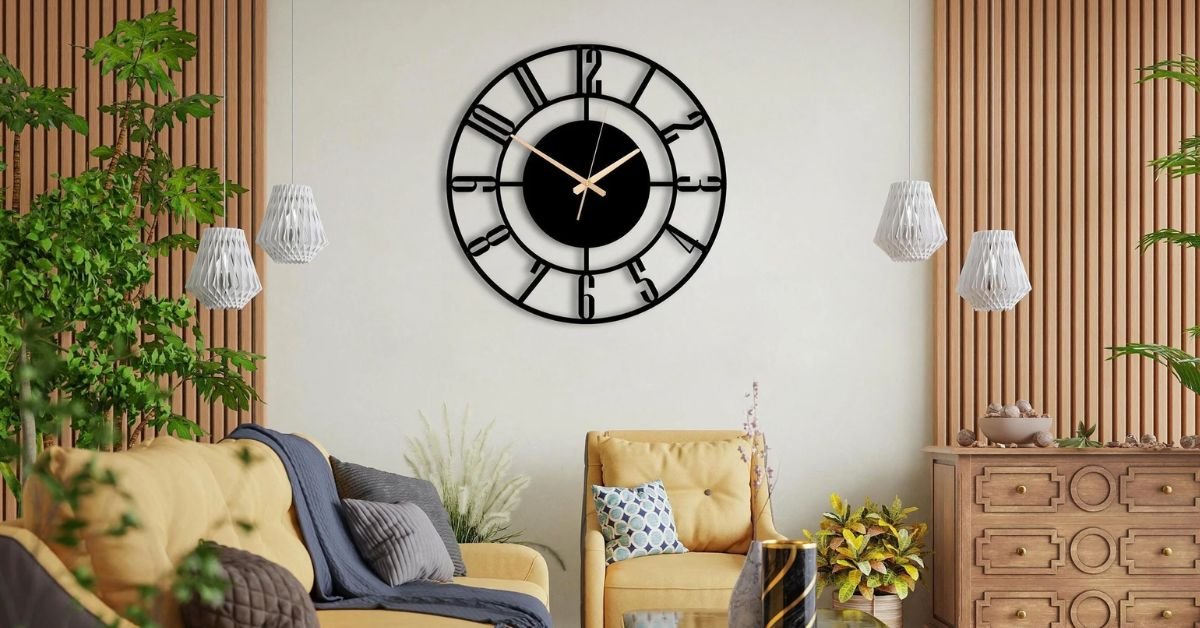
But if your style is more modern, like those sleek Lahore apartments, a giant wooden piece will feel all wrong. Here, think clean lines and minimalist metal. Our “Horizon” wall clock, with its slim brushed steel frame and no-numbers face, becomes a piece of modern art. The trick? The clock should feel like it belongs to the furniture beneath it. If you have a large empty wall over your sofa, don’t be shy—go big. A small clock on a vast wall just looks lonely.
The Kitchen: Where Looks Meet Practicality
Forget everything you think about drawing room decor. Kitchen clocks play a different game. Here, function is king. You need to glance at it from across the room while your hands are covered in atta.
- Readability is non-negotiable: Bold, clear numbers. High contrast. A simple, uncluttered face. Our “Chef’s View” clock is a bestseller for a reason: its large, black numerals on a pure white face can be read from the stove, the sink, or the fridge.
- It has to survive: This is the crucial bit many miss. Pakistani kitchens are battlefields of steam, grease, and heat fluctuations. A clock with a porous wood frame or an unsealed paper face is a death sentence. You need sealed materials. Look for glass fronts, sealed metal, or high-quality sealed plastic. These can be wiped clean with a cloth and won’t warp. We test our kitchen clocks for humidity resistance in our workshop because we know a Lahore summer is no joke.
The Bedroom: The Sanctuary
Your bedroom clock should serve two purposes: tell you the time gently and not ruin your sleep. This is where a loud tick-tock becomes your worst enemy. The number one feature to look for here is a silent quartz movement. No clicking, just a smooth, quiet sweep of the second hand.
The light matters too. A clock with a blazing, un-dimmable LED backlight can be a nightmare. Opt for one with a soft, ambient glow or no light at all. A simple, elegant design like our “Serenity” model in a soft pastel or muted metal helps maintain the calm. You don’t want a loud design shouting at you when you’re trying to unwind.
The FAQs We Hear Every Day in the Shop
I have concrete walls. Will these clocks be too heavy to hang safely?
A very common and smart question. For our heavier wooden statement clocks, regular picture hooks might not cut it on pure concrete. We always recommend—and can provide—proper wall anchors and masonry screws. For most of our standard and lightweight clocks, a sturdy screw into a solid wall plug is perfectly fine. When in doubt, ask us for the right hardware.
Can a wall clock actually be the main decoration in a room?
Absolutely, and it’s one of our favourite design tricks. If you have a minimalist space or one blank wall that needs a hero, a large, beautiful clock is the art. Instead of a painting, use a clock with a stunning sunburst metal design or an elegant wooden piece with intricate carving. It fills the space, adds personality, and is useful. It’s a win-win.
How do I choose between a battery-operated and a plug-in clock?
99% of modern clocks are battery-operated for cleaner looks (no dangling wire) and easier placement. Plug-in clocks are rare now, usually found in very specific retro designs. Stick with battery-operated for convenience. We recommend good quality batteries for longer life, especially in clocks with additional features like temperature displays.